In broadcast and live streaming environments, audio quality matters just as much as visuals. Viewers may forgive a slightly imperfect camera angle—but unstable, noisy sound is often a deal breaker.
As more creators, podcasters, and broadcasters move toward flexible and mobile setups, wireless microphone adapters have become an essential upgrade.
Here’s why they’re increasingly used in broadcasting and live streaming workflows.
Clean Audio Without Cable Chaos
Traditional wired microphones can quickly create problems in broadcast setups:
Cables clutter desks and floors
Limited movement for hosts or guests
Risk of accidental disconnection during live sessions
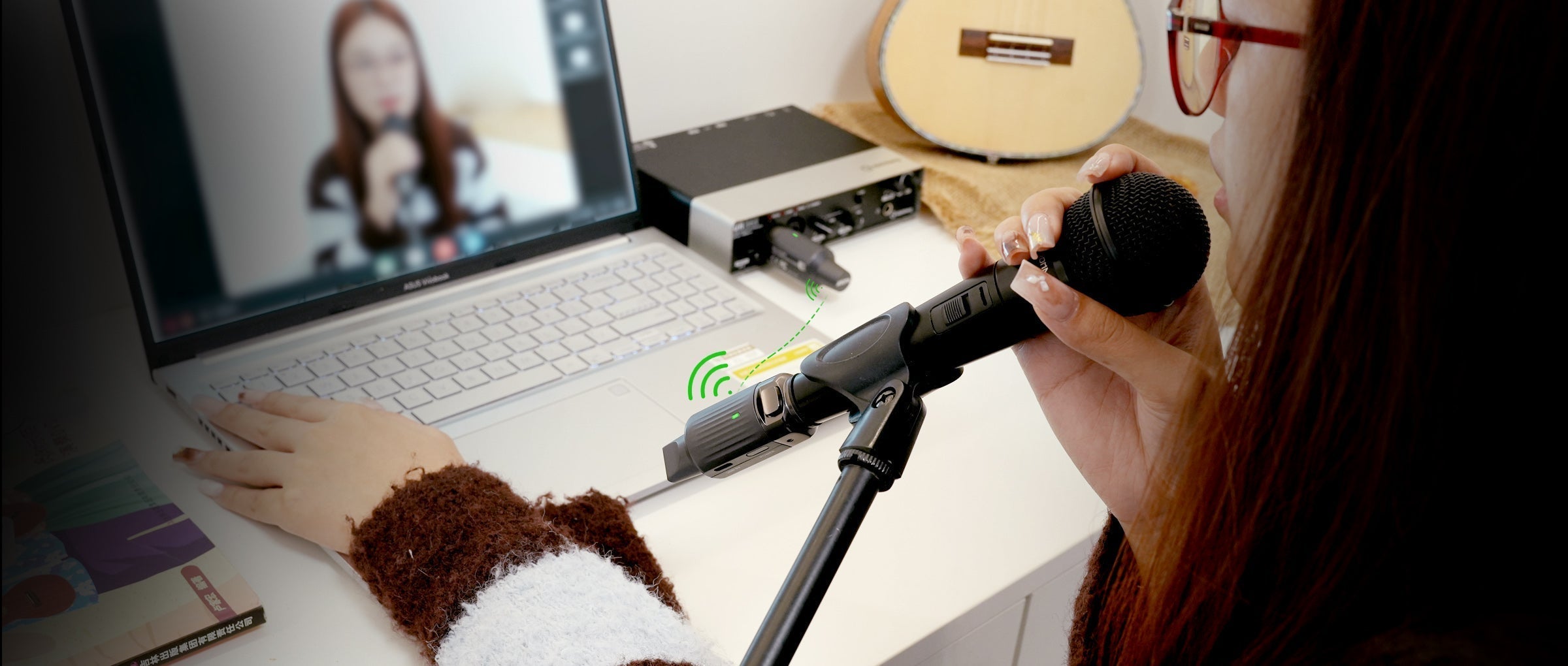
A wireless microphone adapter removes the physical cable while keeping the familiar microphone you already trust. This results in a cleaner workspace, better camera framing, and fewer distractions on screen.
For multi-camera studios or home streaming rooms, fewer cables also mean a more professional visual presentation.
Freedom of Movement for Hosts and Guests
In live broadcasts and streaming shows, natural movement improves performance.
Wireless mic adapters allow:
Hosts to move freely between desks or cameras
Guests to adjust seating without worrying about cable length
Interview-style broadcasts without visible mic cables
This is especially useful for podcasts, talk shows, livestream interviews, and panel discussions where comfort and flexibility directly impact delivery and confidence.
Stable, Low-Latency Transmission for Live Audio
Broadcast and streaming demand real-time audio.
Modern wireless microphone adapters are designed for low-latency transmission, ensuring voices stay in sync with video. When properly paired and placed, they deliver stable, interference-resistant sound suitable for:
Live YouTube or TikTok streams
Online radio and podcast recording
Church and community broadcasts
Educational live sessions
With selectable channels, multiple microphones can operate at the same time without signal crossover—ideal for co-host or guest-based programs.

Easy Integration With Existing Broadcast Gear
One major advantage of wireless microphone adapters is compatibility.
They can connect seamlessly to:
Mixers and audio interfaces
Streaming sound cards
Powered speakers and broadcast consoles
This means broadcasters don’t need to replace their microphones or overhaul their setup. A wireless adapter simply upgrades the connection—saving time, cost, and learning effort.
Ideal for Compact and Mobile Streaming Setups
Many creators now broadcast from home studios, shared spaces, or temporary locations.
Wireless mic adapters are compact, quick to set up, and easy to transport. Whether you’re streaming from a bedroom studio, event venue, or pop-up broadcast location, wireless audio helps you stay professional without bulky equipment.
Broadcast Smarter, Not Harder
In broadcasting and live streaming, reliability and simplicity are key.
A quality wireless microphone adapter delivers:
Cleaner visuals without cable clutter
Freedom of movement on camera
Stable audio for live transmission
Easy integration with existing equipment
If you’re looking to improve your broadcast or live streaming audio without changing microphones, a wireless microphone adapter is one of the smartest upgrades you can make.
🎙️ Upgrade your broadcast setup with an Aroma wireless microphone adapter — designed for clear sound, stable transmission, and modern streaming workflows.
Share:
How to Tune Your Guitar Properly
Why Secure Mic Lock Matters for Wireless Mic Adapters