Free Shipping Over $299 – Code: FREESHIP

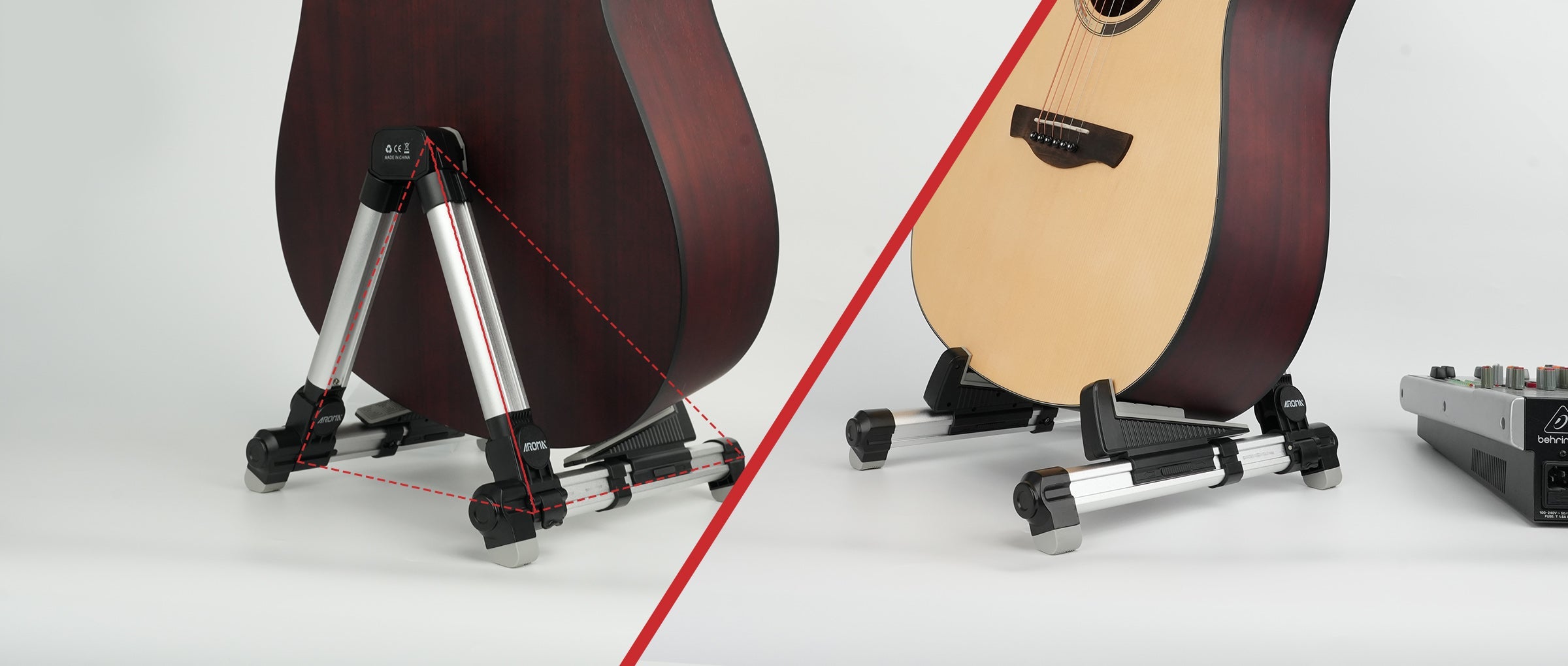
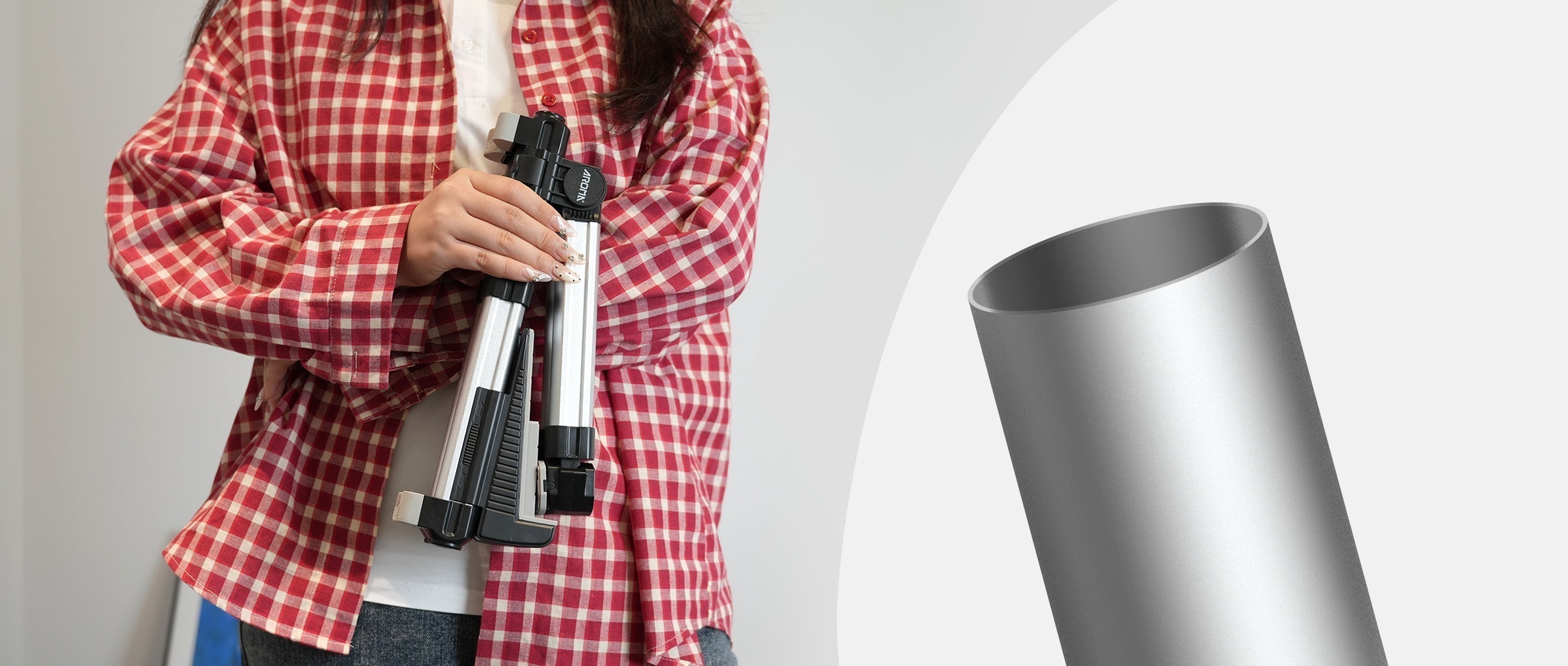
When it comes to guitar stands, material makes all the difference. While many stands on the market rely on painted metal, Aroma takes a different approach—our stand is crafted from premium aluminum alloy with direct plating. This isn’t just about looks; it’s about durability, performance, and sustainability.

Lasting Durability

Painted metal may look good at first, but over time it chips, peels, and rusts. Every scratch exposes the raw surface beneath, making the stand fragile and worn. By contrast, Aroma’s aluminum alloy plating delivers a scratch-resistant, rust-free finish that keeps its shine through years of use.

A Craft That Doesn’t Fade

Unlike spray-painted surfaces, direct plating fuses tightly with the alloy itself. That means no peeling, no fading, and no messy touch-ups. Your stand maintains its clean, professional appearance whether it’s in your home, your studio, or on stage.

A Greener Choice

Beyond strength and style, aluminum alloy plating also carries an environmental advantage. With no chemical paint involved, the process avoids unnecessary pollution, making it a smarter choice for eco-conscious musicians.

Built with Your Guitar in Mind

At the end of the day, a guitar stand should protect your instrument, not demand maintenance of its own. Aroma’s choice of materials reflects our philosophy: every detail should serve the player and the guitar. With aluminum alloy plating, we’ve built a stand that’s strong, reliable, and made to support your music for the long run.

✨ Choose durability. Choose sustainability. Choose Aroma Guitar Stand—the stand that grows with your music.
Latest Stories

View all

Why Floor Placement Matters More Outside the Studio

Why Floor Placement Matters More Outside the Studio

Unknown Floors Create Risk In studios and homes, floors are predictable. But outside those spaces — rehearsal rooms, classrooms, backstage areas — surfaces change constantly. Uneven tiles, soft carpets, slippery floors, and crowded environments all introduce variables that can compromise...

Read more

One-Handed Design Is Not a Feature It’s a Necessity

One-Handed Design Is Not a Feature It’s a Necessity

Real Playing Never Leaves One Hand Free In real musical situations, one hand is almost always busy. Holding a guitar, adjusting a strap, managing cables, or communicating with bandmates — free hands are rare. That’s why designs requiring two-handed adjustments...

Read more

Why Guitars Tip Over When You Least Expect It

Why Guitars Tip Over When You Least Expect It

Most Guitar Accidents Don’t Happen While Playing Most guitar accidents don’t happen mid-song or during intense performances. They happen in the quiet in-between moments — when adjusting a pedal, reaching for a cable, or stepping back after a take. These...

Read more

Why Musicians Choose an All-in-One Tuner Metronome

Why Musicians Choose an All-in-One Tuner Metronome

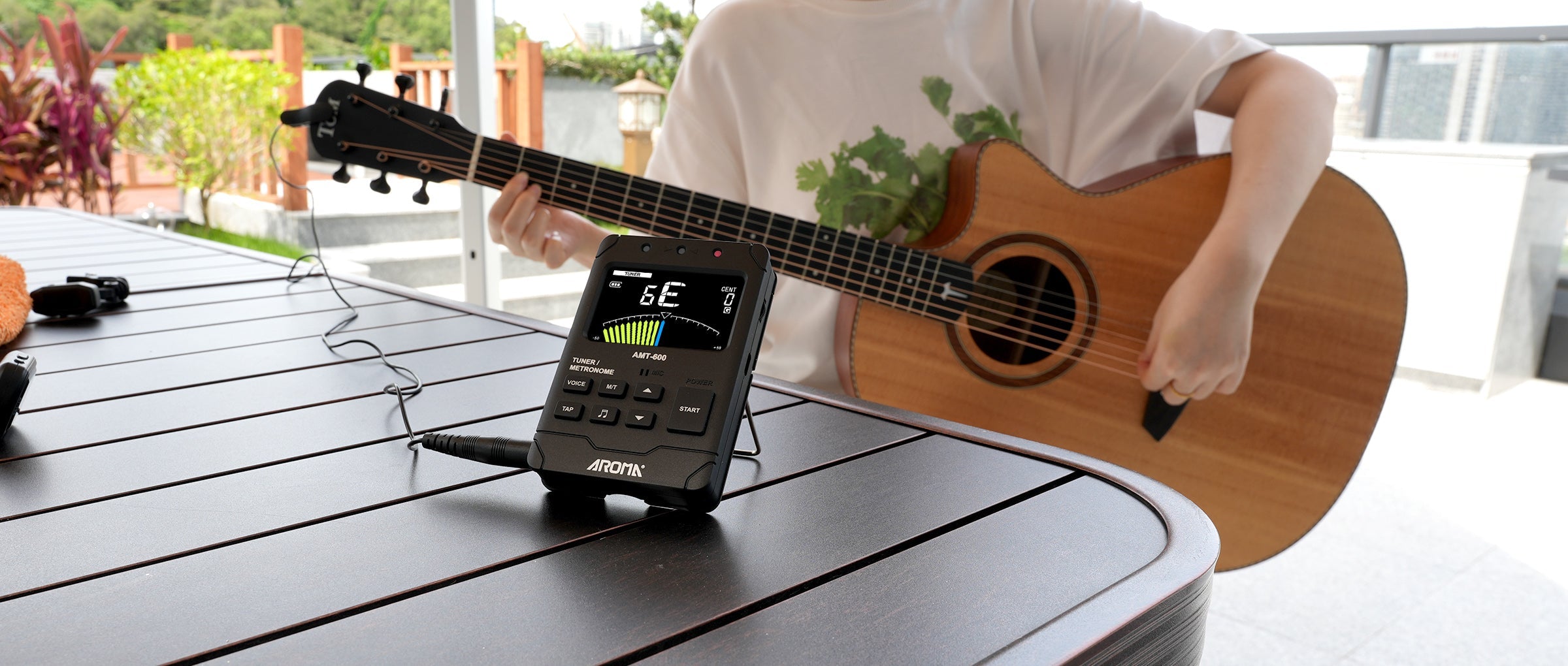
Practice Tools Should Reduce Friction, Not Add It Switching between a tuner, metronome, and tone reference interrupts practice flow. Musicians benefit most when tools disappear into the background, allowing full focus on timing, pitch, and technique. One Device, Multiple Instruments...

Read more

Why a Foldable Music Stand Light Matters More Than Brightness

Why a Foldable Music Stand Light Matters More Than Brightness

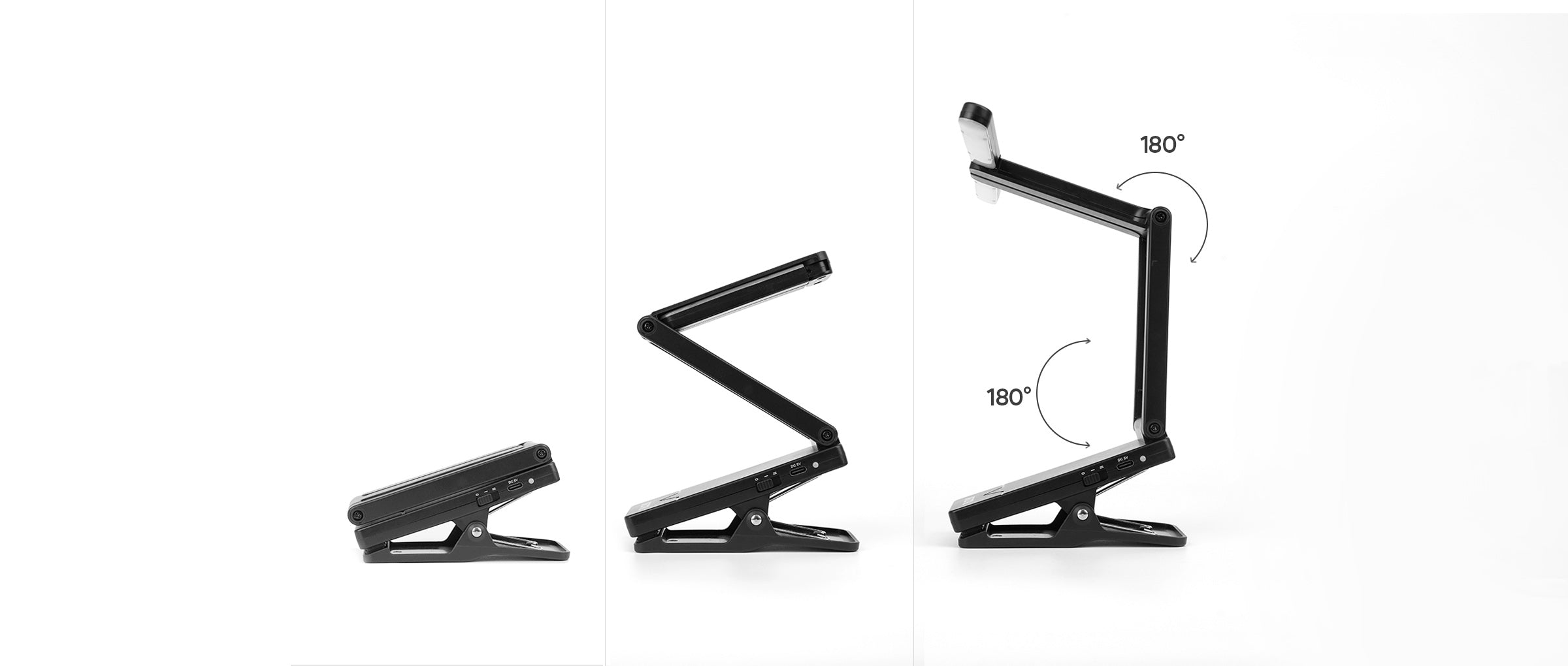
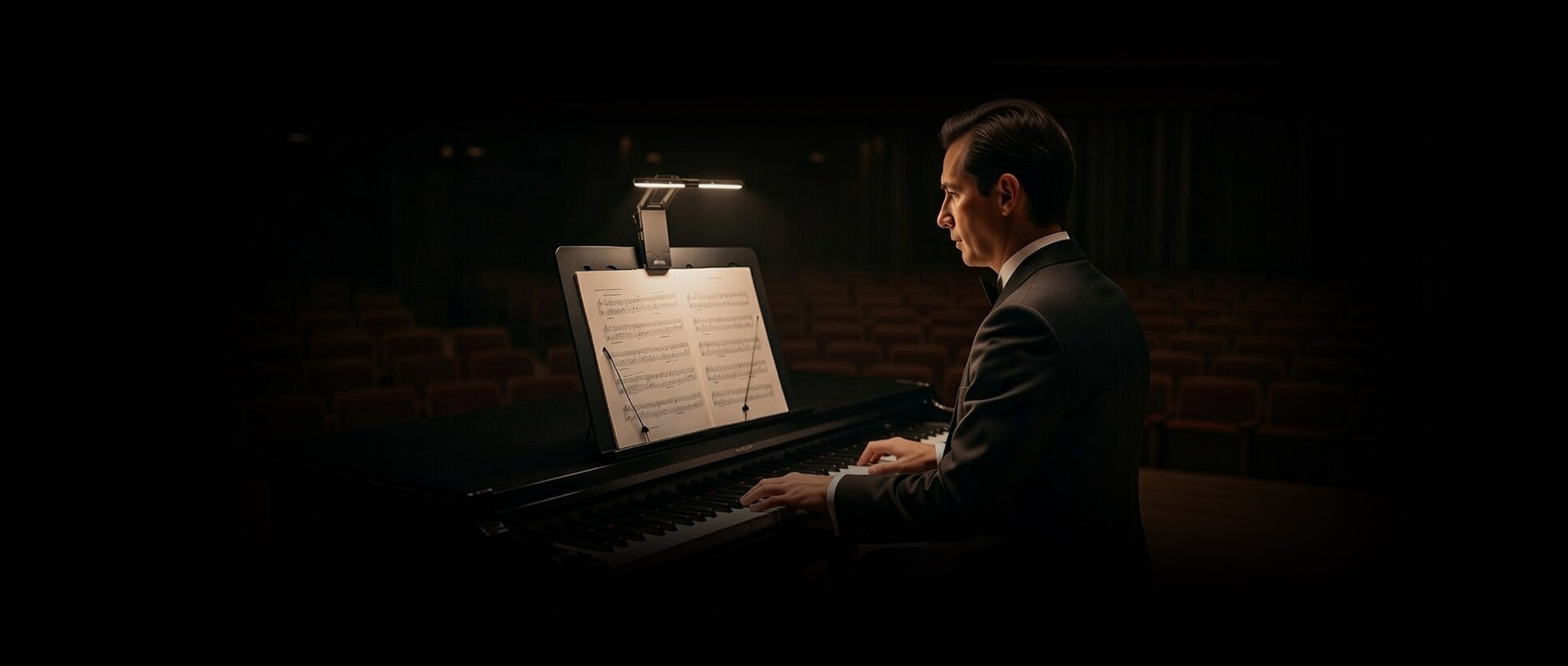
Musicians Don’t Practice in Perfect Lighting Practice rooms, backstage corners, shared classrooms — lighting conditions are rarely ideal. Musicians often adapt by leaning closer, squinting, or repositioning their stand instead of focusing on the music itself. Over time, poor lighting...

Read more

One Music Stand Light. Multiple Performance Scenarios

One Music Stand Light. Multiple Performance Scenarios

Built to Perform with Durable Materials Crafted from high-quality ABS with a refined matte finish, this music stand light combines durability with a clean, professional look. It’s designed to withstand daily use while maintaining a premium feel on stage or...

Read more